
Real-world advice on presence, humility, and leadership that doesn’t hide behind jargon.
On a construction site, the difference between a good day and a disaster often comes down to leadership. Not from the top, but from every person willing to step up. This is a topic I think about every day. So when I had the chance to attend the first-ever Chaminade Leadership Summit (CLS’25), I saw it not just as an event, but as an opportunity to sharpen my thinking on what real leadership looks like in the field.
CLS’25 was a two-day gathering built around the theme “Leading in a Complex World.” It brought together alumni, students, and professionals to explore what leadership looks like when the world refuses to stay simple.
One of the standout panels I joined featured General Peter Pace, Ken Langone, and Kevin Conway. It was an open, dynamic conversation. Real talk from real people who have spent decades leading under pressure. What stuck with me most wasn’t any single quote, but the common thread that ran through all three perspectives: leadership is human work.Here’s what I took away from each of them
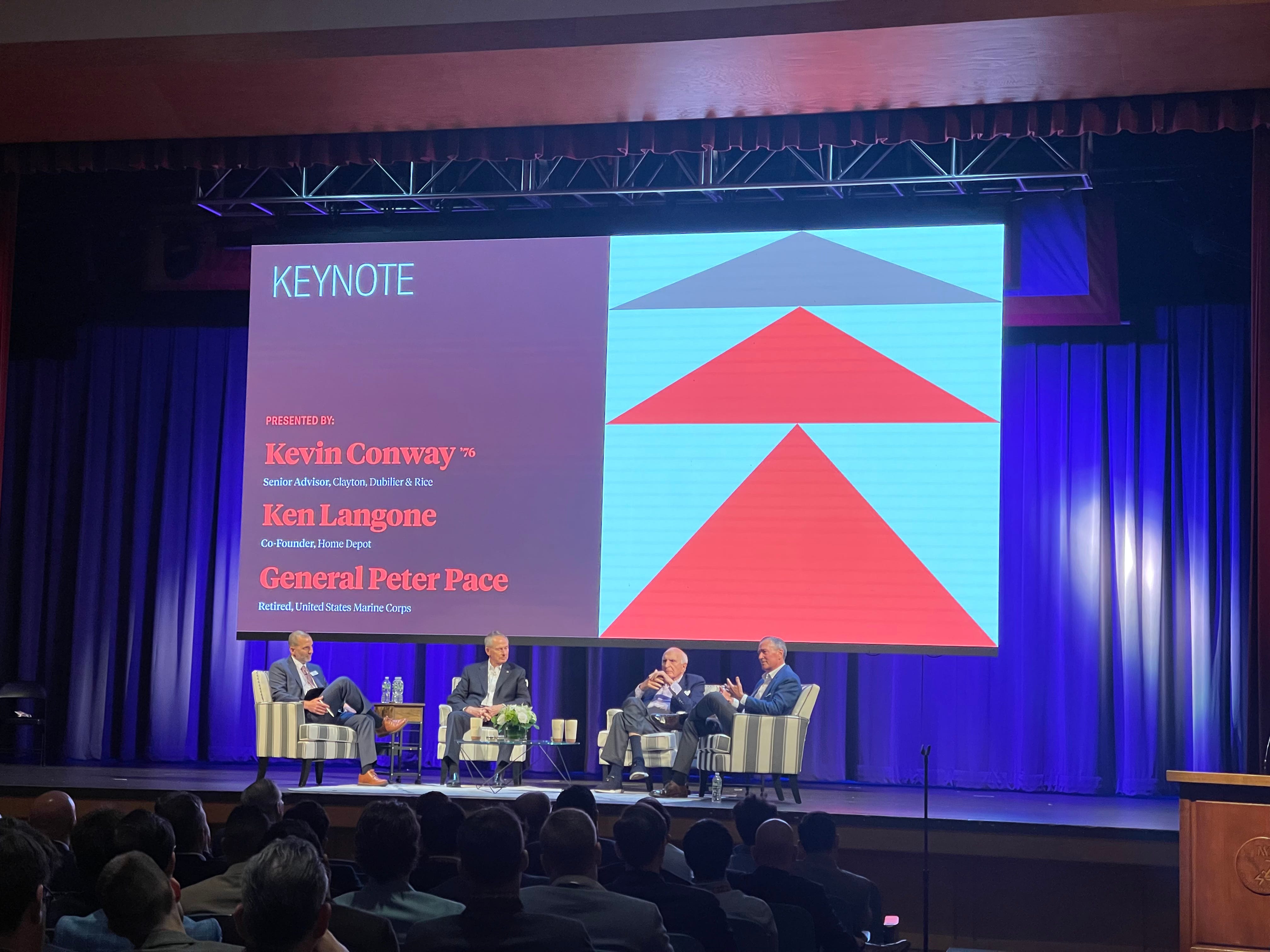
Ken Langone: Get in the Trenches and Stay Close to the Work
Ken Langone is known as a cofounder of Home Depot and a philanthropist, but I found out he is a lifelong champion of frontline workers. Ken spoke with the kind of clarity that only comes from building things from the ground up.
For him, the key to leadership is valuing the people closest to the work. “The most important thing for the customer is the boots on the ground,” he said. So, how do you unlock their best ideas? You motivate, celebrate, and reward the people who take initiative. You let them take risks. And when they fail for the right reasons? You put your arm around them and say, “Nice try.”
Ken sees failure not as something to fear, but as a necessary ingredient of success. “You can’t succeed if you don’t fail.”
But his message went even deeper than business: “We are put on this earth to make the world a better place for everybody.” Gratitude, purpose, and presence are the foundation of Ken’s leadership style. “Being there is not just going through the motions. You need to want to be there.”
His message reminded me that no matter where you sit in an organization, leadership starts with showing up. You need to give your best and see others as teammates, not subordinates. “The kids don’t work for us, they work with us.”
Kevin Conway: Humility Is the Skill That Unlocks Everything
Kevin Conway is a Vice Chairman of Clayton, Dubilier & Rice and a longtime advocate for values-based leadership. Kevin brought a humble but powerful voice to the panel. He emphasized service leadership and the idea that humility is the key to learning.
“You never learn anything while you’re talking,” he said. The best leaders don’t fill the room with answers. They create space for others to speak. They seek contributions from the people who aren’t talking yet.
His framework for leadership was clear: empower from day one, listen with intention, and take responsibility when things go wrong. “If it doesn’t work out, it’s my fault. If it succeeds, you get the credit.” That mindset builds trust. And trust builds teams.
He challenged us to remember names, recognize small wins, and be role models rather than just decision-makers. He told a story about Jack Welch writing handwritten notes to celebrate minor victories. Kevin’s rationale? “Small things done consistently show people they matter.”
And in a world obsessed with success, Kevin offered a healthy reset: “Failure is never fatal. Success never lasts forever.” For him, leadership isn’t about winning. It’s about character. About giving everything you have, learning from your mistakes, and making people feel they belong.
“If you want to be a partner,” he said, “act like a partner.”
General Peter Pace: Be the Leader Your People Deserve
General Peter Pace served as the former Chairman of the Joint Chiefs of Staff. He spoke with a quiet intensity and a deep reverence for the weight of leadership. For him, it all begins with humility.
“They picked you, so you’re the right person. But that doesn’t mean you’re good enough yet,” he said. The distinction between being chosen and being ready struck me. Leadership is not a reward, it’s a responsibility. One that you have to earn every day.
He urged us to spend five minutes a day learning about our people. “If they know you care, they’ll take ownership and go beyond what you expect.”
And while he didn’t shy away from discussing mistakes, he was clear: lazy mistakes are different from honest ones. But either way, you own them. “When you make a mistake, admit it, especially to a subordinate.” It’s about integrity and modeling the accountability you expect from others.
He left us with a challenge: live your life in a way that pays respect to those who gave theirs. His definition of leadership wasn’t abstract. It was personal, tangible, and rooted in service. “Leadership principles are universal,” he said, “but how you apply them is individual. Use the traits that work for you. And leave the rest behind.”
Final Thoughts
The lessons from CLS’25 weren’t theoretical. They were practical, personal, and earned.
Langone insisted on getting in the trenches. Conway stressed humility. General Pace believed that leadership is earned every day. The message was consistent: leadership is not about title. It’s about action.
I left CLS’25 reminded that leading in a complex world doesn’t require perfection. It requires presence, humility, and service.
It means showing up. Listening hard. Staying close to the work. And doing everything you can to be the leader your people deserve.
These lessons hit especially close to home for my work navigating high-stakes projects and organizational change. In a world that constantly shifts, the most reliable tools we have aren’t technical. They are human. I’ll keep these lessons close as I continue building teams, advising leaders, and supporting the people.
What’s the most important leadership lesson you’ve learned on the job? Share your story in the comments!

 Ambitious engineer
Leave a comment