
A High-Stakes Lesson in Resourceful Leadership. And Why Sustainable Systems Start Here
Do More With Less: Leadership Lessons for Sustainable Success
Have you ever felt stressed when everything is on the line? It keeps you awake, forces sharper thinking, and pushes you beyond your comfort zone. Early in my career, I faced this on a construction project tasked with completing a critical punch list under intense pressure.
A punch list is the final quality check before a building’s turnover, where the team inspects every space to flag incomplete or faulty work. Think of it as the last to-do list for any high-stakes project. In our case, missing the deadline meant losing a six-figure payment, risking the project’s profit, and delaying residents’ move-in by weeks. Failure wasn’t an option.
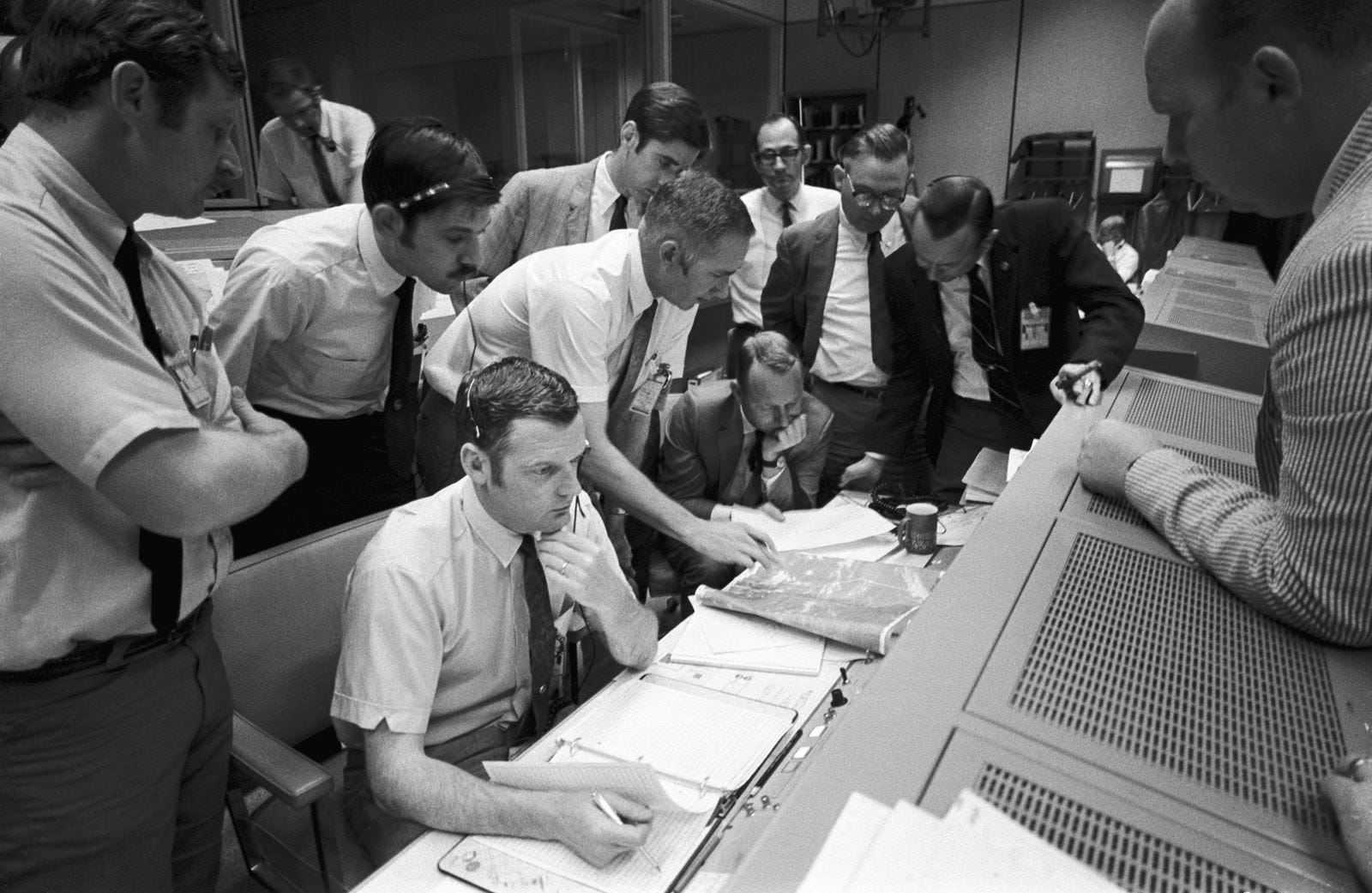
The Challenge: Limited Resources, Tight Timeline
I estimated we needed five experienced team members for two days to cover the large building’s complex systems. But leadership, stretched thin across projects, gave me:
- One electrical designer
- Two rookie engineers with just a month’s experience
My stomach sank, but arguing was futile. I had to make it work. I stared at the junior engineers’ nervous smiles and thought, “We’re about to crash this project (and my career) into a wall.”
Step One: Assessing the Team
I evaluated my team’s strengths:
- The designer could handle electrical systems and specialty areas.
- The junior engineers, new to the project, needed clear, structured tasks.
Their inexperience seemed like a liability. Then I studied the building’s layout.
Step Two: Simplifying the Problem
The building had community areas, equipment rooms, and 1,000 identical dorm rooms. The dorms were the key: their repetitive systems with light switches, sprinklers, thermostats, and outlets required no deep expertise, just disciplined checks.
We created a 20-item checklist for each dorm, including:
- Light switches on?
- Sprinkler head in place?
- Thermostat working?
- Outlets powered?
This let the juniors tackle dorms while the designer and I focused on complex spaces.
Step Three: Executing the Plan
On-site, contractors raised eyebrows at my young team. The two juniors hadn’t been to a job site before, and it showed as they fumbled with their checklists and bags. Ignoring their skepticism, I guided the juniors to the first set of rooms to master the checklist, then set them loose. The designer and I tackled the technical areas.
By lunch on day one, the juniors were ahead of schedule, spotting issues like pros. Their confidence had grown, too, as they found several flaws that needed to be corrected. Leaving lunch, one of them said, “We’ve got this!’ as she showed me the completed checklists. By midday on day two, we’d covered the entire campus.
The Result: High-Quality Impact
In the end, we didn’t just finish, we excelled.
We surveyed every space, documented defects, and earned praise from the architect, contractor, and even the client. The most surprising part wasn’t that we finished. We dramatically exceeded expectations, proving we could deliver under intense constraints. The client’s praise was not even the biggest win. It was watching the juniors stand taller when we left than when we arrived. This had been a great experience for them, too, making it that much sweeter for me.
Leadership Lessons I Carry Today
This experience taught me to ask: How can I do more with less? Here are three lessons I apply today:
✅ Resourcefulness Beats Resources
Instead of dwelling on missing staff, I reframed the challenge. Constraints spark creativity. Focus on what you have, not what you lack.
✅ Match Tasks to Strengths
The juniors couldn’t design systems but excelled with a checklist. Aligning tasks to capabilities turns weaknesses into strengths.
✅ Simplify the Problem
Breaking the building into complex and simple spaces unlocked efficiency. Slice challenges into manageable parts to find the easiest path forward.
Beyond the Project: A Bigger Picture
This project wasn’t just a personal leadership test. It revealed deeper truths about how we work.
Delivering under pressure felt like a win, but it also raised important questions:
- Why do so many projects teeter on the edge of capacity?
- How often do teams rely on last-minute heroics?
- Is “more with less” a strategy or a warning sign?
Across industries like construction, tech, and healthcare, tight margins and complex demands push teams to their limits. Adaptability and resourcefulness are critical, but they can’t be the only strategy.
Sustainable success requires:
- Systems that operate smoothly, not just under pressure
- Cross-trained, flexible teams ready to shift when needed
- Space for leaders to improve processes, not just fight fires
Reflection
At the end of the day, leadership isn’t just about delivering results under pressure. It’s about building the conditions where your team can thrive, today and tomorrow.
So here’s my invitation to you:
- Where have you seen resourcefulness shine?
- When have you watched systems buckle under strain?
- How can we design teams that are both adaptable and sustainable?
I’d love to hear your insights! Share your thoughts below or reach out to continue the conversation.
Because true leadership isn’t just about winning under tough conditions. It’s about creating organizations where success doesn’t demand burnout.

 Ambitious engineer
Leave a comment