
How a Flooded Basement and a Screaming Client Taught Me the Real Value of Calm Leadership
Poise is a competitive advantage
In high-pressure environments, some people rise while others unravel. I believe that poise might be one of the most underrated professional assets—a quiet force that can transform how teams respond to chaos, earn trust, and ultimately deliver results.
A few weeks ago, I spoke with someone whose team had recently been absorbed into a new department. They had been a high-performing group for years, growing steadily from three to eight people, and consistently delivering profitable results. Their reward? A reorganization.
The move aligned similar functions more effectively across the organization. But in practice, the shift has been rocky. Their new manager operates in an entirely different mode. There’s no clear direction, goals change weekly, and the broader team feels like it’s spinning in circles. What struck me most in the conversation was that even though this team was well-prepared and highly competent, they were now burning energy trying to stay afloat—not because of their work, but because of the instability around them.
As we talked, I was reminded of one of the most intense professional moments I’ve ever experienced—an episode that drove home just how powerful poise can be in leadership.
When the Project Went Sideways
Several years ago, I was managing a large campus project. Like most projects, we had our share of constraints—tight budget, tighter schedule—but we were in good standing. We’d built strong relationships with the contractors, and we were actually ahead of schedule on our scope of work.
Then came the rainstorm.
A heavy downpour overwhelmed the municipal sewer system and caused wastewater to backflow into the basement of the brand-new building we had just completed. Within hours, the client was on the phone, demanding updates, action, and solutions—fast. He asked for technical studies that would normally take weeks, wanting them turned around in days. It was intense.
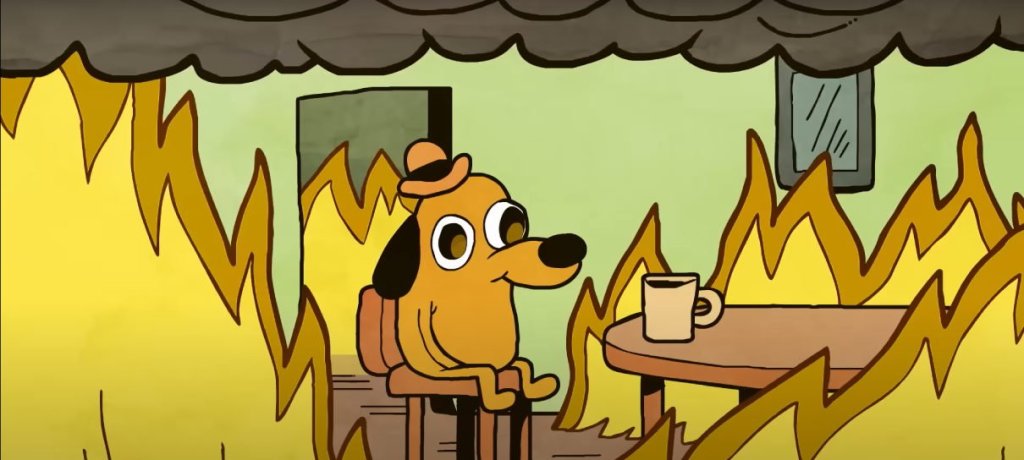
After some investigation, we discovered that the problem wasn’t due to our design or execution. The city had made changes to the utility infrastructure in the street—without coordination or communication—which created the conditions for the basement flooding. Still, we were the ones facing the client.
The Explosion
We scheduled a team meeting with about two dozen people to coordinate next steps. When the owner joined the call, the mood was already tense. But as soon as the meeting began, it escalated.
He was furious. Red-faced, yelling, slamming his desk. His frustration poured out in every direction, indiscriminately. Then, he turned his attention to me.
He demanded to know where the studies were. I responded calmly: the work was underway, but even if we rushed the deliverables, they wouldn’t solve the root issue—it was outside the building, and outside of our control.
That’s when it really erupted. For ten straight minutes, he screamed at me. I mean, top-of-his-lungs, vein-bulging rage. Four-letter words, personal insults, accusations about my competence, my team’s value, the whole nine yards.
I was stunned. Internally, I was unraveling. My heart raced. I was in disbelief that someone could come at me with such force after the effort we had put in. But after the first couple minutes, I realized something important: if I responded emotionally, it would only make this worse. So I locked in. I said nothing. I just listened. When he finally paused, I calmly repeated what I had said before: we would help however we could, but we could not change what we didn’t control.
He smashed his fist on the table and stormed out of the meeting. I was sure I was done—either off the project or out of a job.
The Surprising Aftermath
But something unexpected happened.
The rest of the team—the architect, the contractors, even members of the owner’s organization—started reaching out. They expressed appreciation for how I had handled myself. One said my demeanor changed the tone of the project. Another mentioned that while the outburst had shaken the whole group, my composure had grounded them.
Far from being removed, I became more central to the team. We quickly organized a path forward. The solution did require work outside the building, which others took the lead on, but our team provided support and helped expedite coordination. The atmosphere on the project noticeably shifted. People started showing up with more focus, more clarity, and, surprisingly, more unity.
That moment—one of the most difficult I’ve ever faced—became a turning point.
What I Learned
Looking back, here’s what I took from the experience:
1. Words don’t define you.
We often say, “sticks and stones,” but it’s hard to internalize that when you’re being verbally attacked. That day, I learned just how true it is. The yelling wasn’t really about me. The owner was under immense pressure, and I happened to be the closest target. His words carried all of his fear, frustration, and stress—not a reflection of my worth or my work.
2. Composure earns credibility.
The most surprising outcome was how others responded—not to the outburst, but to my reaction. In staying poised, I gained more trust than I ever could have by defending myself. People respected the fact that I didn’t escalate. And in a high-stakes environment, that trust proved invaluable.
3. Pressure reveals character.
Moments of chaos are when true leadership shows up. Not in job titles, not in strategy decks, but in how we respond when things fall apart. It’s easy to stay calm when things are going well. But when the ground is shifting beneath your feet, people need someone to hold steady. If you can be that person, you become indispensable.
Poise in Practice
For anyone who finds themselves in a difficult spot—like my colleague dealing with their unmoored new manager—here’s what I’d offer:
Do your best work.
Control what you can. When you consistently bring your best, you build a foundation of credibility. That credibility is what carries you through when chaos erupts.
Be the rock.
Teams crave stability during transitions. Whether it’s a construction project with a flood in the basement or an office reorg with moving targets, be the steady hand. Your presence can anchor others.
It’s not personal.
People’s reactions say more about them than they do about you. Their fears, their stress, their baggage—it’s all wrapped up in their words. Build the emotional boundaries to keep their stuff from becoming your identity.
Have you ever had to navigate chaos or deal with someone losing it in a professional setting?
What helped you through it? What did you learn?
If you’ve got tips, stories, or strategies to share, I’d love to hear them. Because while technical skills matter, I’m more convinced than ever that how we show up under pressure is what truly sets us apart.

 Ambitious engineer
Leave a comment